Source Waterproof Shockproof Rugged Phone for Construction, Mining, and Outdoor Use
Explore 30 rugged devices designed for harsh environments. This catalog features waterproof shockproof rugged phone models with varying screen sizes, battery capacities, and operating systems to help buyers compare specifications and select the right device for industrial or outdoor applications.
Key considerations
Products List


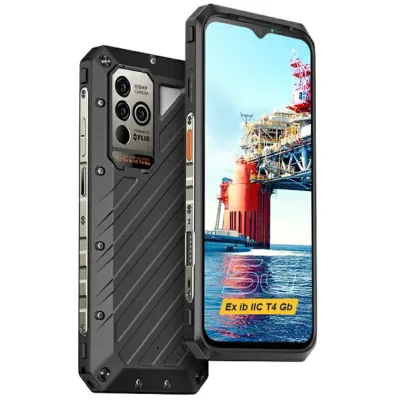
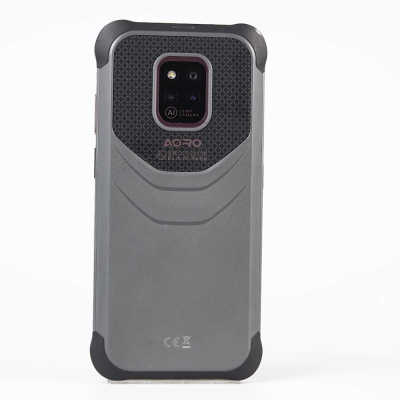
Comprehensive Sourcing Guide
Strategic Sourcing Guide for Waterproof Shockproof Rugged Phones
Understanding the Rugged Phone Market Segment
The global demand for rugged mobile devices has surged as industries seek hardware capable of withstanding harsh operational environments. Unlike standard consumer smartphones, rugged phones are engineered with reinforced chassis, specialized sealing, and enhanced internal protection to survive drops, dust, and submersion. For procurement professionals, the core keyword "waterproof shockproof rugged phone" represents a specific category of industrial-grade communication tools. These devices are not merely durable; they are designed to maintain connectivity and functionality where conventional electronics would fail.
When sourcing these devices, buyers must recognize that the market is fragmented with varying levels of protection. The term "rugged" is often applied loosely, but true industrial ruggedness requires adherence to specific International Protection (IP) and Military Standard (MIL-STD) benchmarks. In the current supply landscape, buyers encounter devices ranging from basic splash resistance to full submersion capabilities. The procurement strategy must begin with a clear definition of the operational environment. Is the device required for construction sites, mining operations, outdoor logistics, or emergency response? The answer dictates the necessary technical specifications and the corresponding cost structure.
Technical Specifications and Performance Benchmarks
Technical due diligence is the cornerstone of successful procurement in this sector. The supplied product data reveals a diverse array of specifications that buyers must navigate. A critical observation in the current market is the variation in screen technology. Some units utilize IPS (In-Plane Switching) panels, which offer superior viewing angles and color reproduction, while others rely on TFT (Thin Film Transistor) displays. For outdoor applications where visibility under direct sunlight is paramount, IPS technology is generally preferred, though buyers must verify the specific brightness ratings and anti-glare treatments.
Resolution and screen dimensions also vary significantly. Listings indicate models with HD 720p and FHD 1080p resolutions, paired with narrow border designs ranging from 2-3mm to 3-4mm. The bezel size impacts the overall form factor and the device's ability to be gripped securely. Furthermore, the operating system is predominantly Android, with some units running Android 12, ensuring compatibility with modern enterprise applications. The CPU architecture is another key differentiator, with options ranging from Quad Core to Octa Core processors, including specific chipsets like the Mt6762D 2.0GHz 8 Core. Higher core counts generally correlate with better multitasking capabilities, which is essential for field workers running navigation, inventory, and communication apps simultaneously.
Connectivity is equally vital. The data interface has evolved from Micro USB to Type-C, offering faster charging and data transfer rates. Network standards typically support GSM, 3G, and 4G, with some models featuring dual SIM slots for enhanced flexibility. Storage expansion is supported on many units, allowing for significant local data retention without relying on cloud services, which is crucial in areas with poor connectivity. Battery capacity is another critical metric; observed units feature capacities such as 3000mAh, with non-removable designs being common. Buyers must assess whether the battery life meets the shift requirements of their workforce, as a 3000mAh battery may suffice for light usage but could be insufficient for heavy GPS and camera usage throughout a full shift.
Compliance, Certification, and Environmental Standards
Verifying compliance and certification is non-negotiable when sourcing rugged phones for industrial use. The supplied product information highlights the presence of CE and RoHS certifications. CE marking indicates conformity with health, safety, and environmental protection standards for products sold within the European Economic Area, while RoHS (Restriction of Hazardous Substances) ensures the device is free from specific hazardous materials. However, for true ruggedness, these are baseline requirements. Buyers must look for specific IP ratings that quantify water and dust resistance.
The product data explicitly mentions IP68 and IP69K ratings. IP68 signifies that the device is dust-tight and can be submerged in water beyond 1 meter for a specified duration. IP69K is a more rigorous standard, indicating resistance to high-pressure, high-temperature water jets, often required in food processing or heavy cleaning environments. It is imperative for buyers to request test reports validating these specific ratings, as marketing claims do not always align with independent testing results. Additionally, shock resistance is often measured against MIL-STD-810G or similar military standards, which test for drops, vibration, and extreme temperatures. While the provided text does not list specific MIL-STD numbers, the presence of "Anti-Water" attributes suggests a focus on environmental sealing. Buyers should verify if the device has undergone drop tests from specific heights, such as 1.5 meters, onto concrete, which is a common industry benchmark for rugged durability.
Cost Drivers and Pricing Dynamics
The price range for rugged phones in the current market is substantial, spanning from approximately $18.40 to $906.66. This wide variance is driven by several key factors. First, the internal hardware specifications play a major role. Devices with Octa Core processors, 128GB ROM, and FHD displays command higher prices compared to those with Quad Core chips, 64GB storage, and HD screens. The inclusion of advanced features like NFC (Near Field Communication) and specific network protocols like PPPoE also adds to the cost.
Second, the level of certification and testing influences the price. A device with verified IP69K ratings and comprehensive MIL-STD compliance will cost significantly more than a unit with basic splash resistance. The manufacturing complexity of sealing a device against water and dust while maintaining thermal dissipation for high-performance CPUs adds to production costs. Third, the customization options available, such as specific color schemes (e.g., Black with Red, Black/White) or tailored software configurations, can impact the final unit price.
Minimum Order Quantity (MOQ) is another critical cost driver. The observed MOQ range spans from 1 to 1000 units. Buyers purchasing small quantities may face higher per-unit costs due to the lack of economies of scale. Conversely, bulk orders often unlock significant discounts but require a larger upfront capital investment. Buyers must balance their immediate inventory needs with long-term cost efficiency. Additionally, packaging standards, such as Color Box versus Carton, and the inclusion of accessories can affect the total landed cost. It is essential to request a detailed breakdown of costs to understand the value proposition of each tier in the price range.
Typical Applications and Use Cases
Rugged phones are designed for specific high-stress environments where reliability is paramount. In the construction industry, these devices are used for site management, blueprint viewing, and safety reporting. The narrow border designs and touch capabilities facilitate easy interaction even when workers are wearing gloves. The dual SIM functionality allows for separate lines for personal and business use, or for connecting to different local networks in international projects.
Logistics and supply chain management represent another major application area. Warehouse workers and delivery personnel rely on rugged phones for barcode scanning, inventory tracking, and route optimization. The support for storage expansion and robust operating systems ensures that these devices can handle heavy data loads without lag. The IP68 and IP69K ratings are particularly valuable in these settings, protecting devices from dust, rain, and accidental spills.
Emergency services and public safety sectors also heavily utilize rugged phones. First responders require devices that can function in extreme weather conditions, from heavy rain to freezing temperatures. The anti-water and shockproof features ensure that communication lines remain open during critical incidents. The multi-language support, including English, Russian, French, German, Spanish, and Ukrainian, makes these devices suitable for international relief operations. Furthermore, the wireless capabilities and support for various network standards ensure connectivity in remote areas where infrastructure may be compromised.
Supplier Evaluation and Quality Control
Selecting the right supplier is as important as selecting the right product. Buyers should evaluate suppliers based on their transparency regarding product specifications and their ability to provide verifiable test data. The origin of the products is listed as China, a major hub for electronics manufacturing. However, the location of the supplier and their logistical capabilities should be verified to ensure timely delivery. The standard packing method, often Color Box or Carton, should be assessed for its ability to protect the device during transit.
Quality control processes must be rigorous. Buyers should inquire about the supplier's in-house testing protocols, including drop tests, water immersion tests, and thermal cycling tests. The presence of certifications like CE and RoHS is a good starting point, but independent third-party testing reports provide greater assurance. Buyers should also verify the consistency of the product model numbers, such as B1-2, Air1-2, B1 Pro-2, and B2 Ultra-2, to ensure that the specifications match the ordered units.
Lead times and production capacity are critical factors. With MOQs ranging up to 1000 units, suppliers must demonstrate the ability to scale production without compromising quality. Buyers should request a clear timeline from order placement to delivery, including any potential delays due to component shortages or logistical issues. The standard of 1PCS or specific carton dimensions (e.g., 373282137mm) should be confirmed to ensure compatibility with the buyer's storage and shipping requirements.
Long-Term Procurement Considerations
Sourcing rugged phones is not a one-time transaction but a long-term partnership. Buyers must consider the lifecycle of the device, including software updates and warranty support. With Android 12 being a common operating system, buyers should verify the supplier's commitment to providing security patches and OS updates for the duration of the device's useful life. The availability of spare parts, such as batteries and screens, is also crucial for maintaining fleet uptime.
Total Cost of Ownership (TCO) should be the primary metric for evaluation. While the initial purchase price is important, the cost of repairs, replacements, and downtime must be factored in. A slightly more expensive device with a longer warranty and better support may prove more cost-effective over time than a cheaper alternative that requires frequent replacement. Buyers should also consider the scalability of the solution. As the organization grows, the ability to procure additional units with consistent specifications and support is essential.
Finally, buyers should stay informed about emerging technologies and standards in the rugged phone market. As the industry evolves, new features such as 5G connectivity, advanced biometric security, and enhanced battery technologies may become standard. Maintaining a relationship with a supplier who is committed to innovation and quality will ensure that the procurement strategy remains effective and competitive in the long run. By focusing on technical specifications, compliance, and supplier reliability, buyers can secure rugged phones that meet the demanding needs of their specific applications.
FAQs
What operating systems do these rugged phones support?
These devices primarily run on Android, with some models specifically supporting Android 12. This ensures compatibility with modern enterprise applications and allows for flexible customization options required by industrial buyers.
Which screen technologies are available for outdoor visibility?
The products utilize either IPS or TFT screen materials depending on the specific model. IPS panels offer superior viewing angles, while narrow border designs ranging from 2-3mm to 3-4mm optimize the display area for field use.
How much storage capacity is available on these units?
Storage capacities vary between 64GB and 128GB ROM across different models. Many units also support storage expansion, allowing users to retain significant local data without relying on cloud services in areas with poor connectivity.
Can these phones operate in extreme water and dust conditions?
Yes, specific models feature IP68 and IP69K ratings for anti-water and dust resistance. These certifications indicate the devices can withstand submersion and high-pressure cleaning, making them suitable for harsh industrial environments.
What network standards and SIM configurations are supported?
The devices support GSM, 3G, and 4G network standards with dual SIM slots for enhanced flexibility. Some models also include specific network protocols like PPPoE and support various frequency bands for global connectivity.
Are customization options available for branding and software?
Customization is available for these rugged phones, allowing buyers to tailor specifications to their needs. Options may include specific color schemes, multi-language support, and tailored software configurations to fit unique operational requirements.